Thermal cycling
Repeated heating and cooling can challenge coating adhesion, flexibility and film integrity.
Aerospace Coating Solutions
Aerospace components may be exposed to elevated temperatures, repeated thermal cycling, electrical demands and challenging operating environments. Yuxin develops silicone-based coating solutions around the component, substrate, performance target and application process—not simply around a standard product grade.
From early material evaluation to application-specific testing, our technical team supports coating development for aerospace and aviation-related component programs.
Performance challenges
Aerospace coating requirements are shaped by more than a single temperature rating. The component, substrate, exposure profile and production process must be evaluated together.
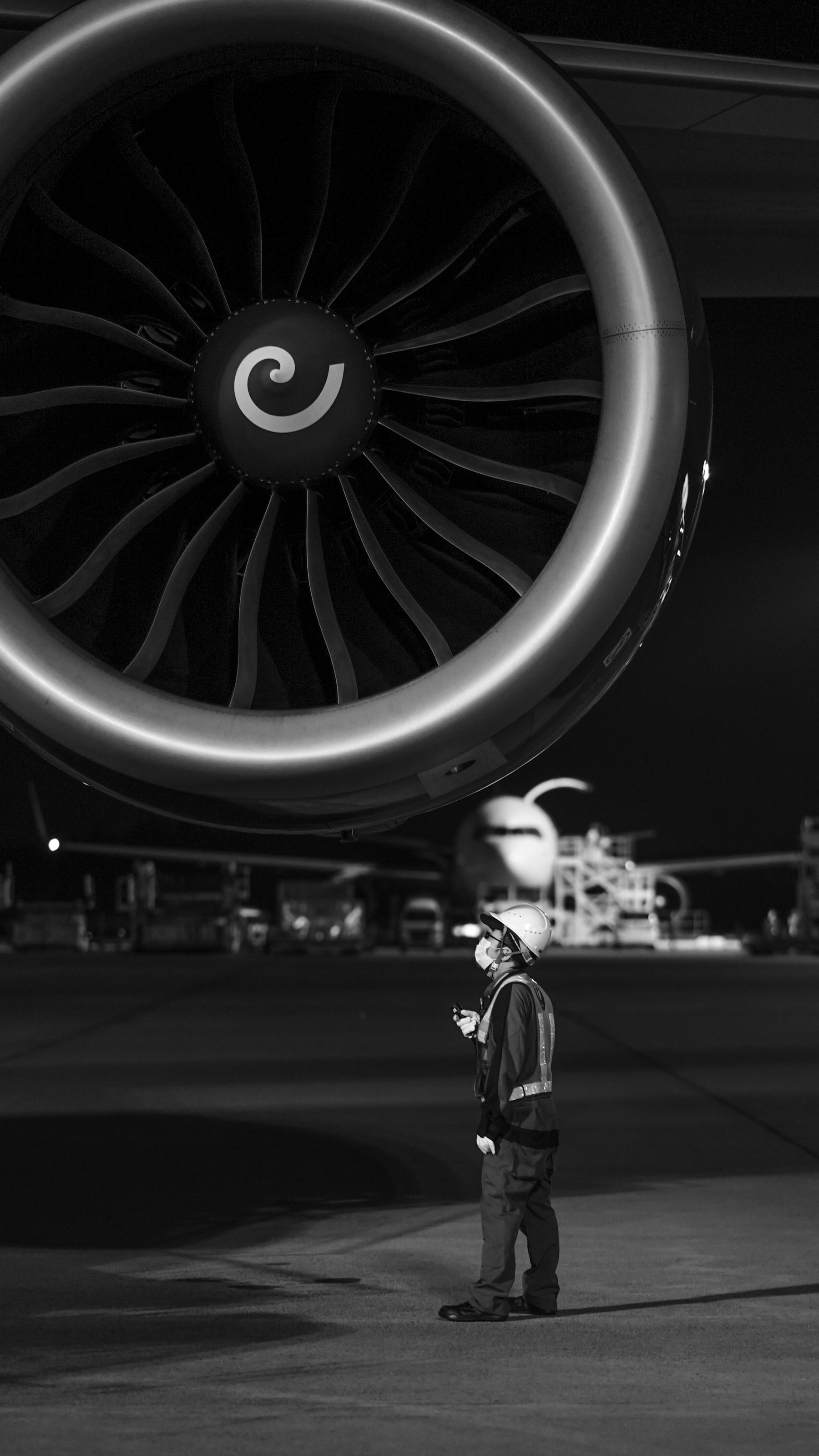
Repeated heating and cooling can challenge coating adhesion, flexibility and film integrity.
Selected components may require stable insulation or protective surface performance.
Humidity, cleaners, oils and other service media can influence coating selection.
Application method, film build, cure window and repeatability matter from sampling to production.
Application Directions
We evaluate silicone-based coating directions for selected aerospace and aviation-related components where thermal performance, electrical protection, surface functionality or process compatibility is required.

Coating development for selected metal parts, housings and assemblies exposed to elevated temperatures or repeated thermal changes.
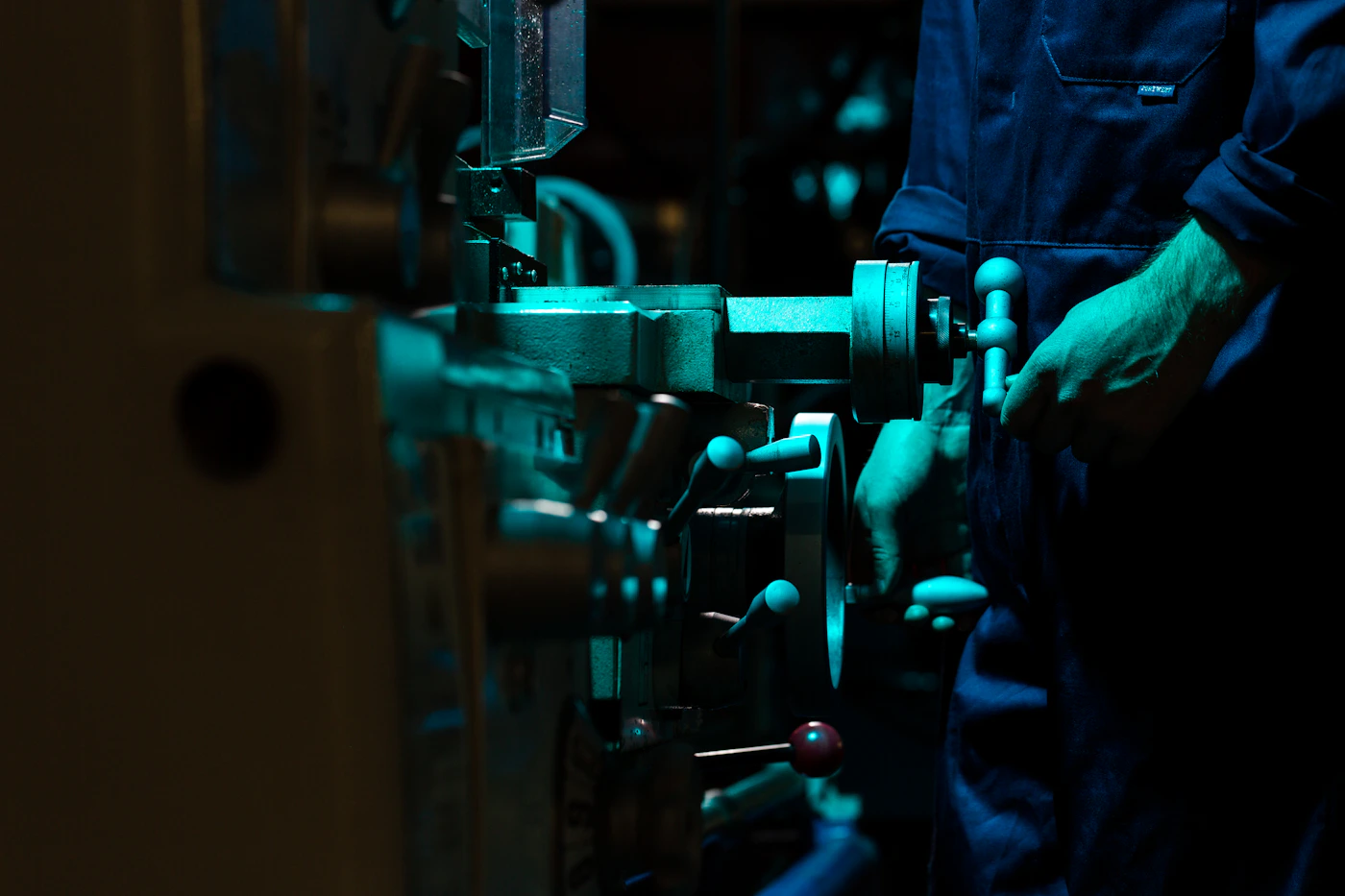
Silicone-based coating directions for housings, insulating surfaces and adjacent parts requiring electrical or environmental protection.

Release, low-friction or protective surface directions for molds, fixtures and auxiliary equipment used in component manufacturing.

Application-specific evaluation for aluminum alloys, stainless steel, composite materials and other engineered substrates.
Final coating suitability depends on the substrate, component design, operating conditions and agreed validation requirements.

Coating Technologies
Rather than positioning one coating for every aerospace requirement, we select and adjust the technology direction around the intended function, substrate and application conditions.
For selected components requiring thermal stability, coating integrity and adhesion under elevated-temperature conditions.
Thermal performanceDeveloped around insulation requirements, substrate characteristics and the component’s operating environment.
Electrical protectionCoating directions for release, reduced surface adhesion, low-friction behavior or easier maintenance on tooling and auxiliary parts.
Surface functionalityResin and binder development for projects requiring adjustments in heat resistance, hardness, adhesion, curing or processing behavior.
Formulation flexibilityApplication Development
Coating performance depends on how the formulation interacts with the actual component and production process. We review the application inputs together before recommending a development direction.

We begin with the physical part and the surface that must accept the coating.
Operating exposure defines which properties matter and how they should be evaluated.
The coating direction must remain practical for the customer’s production environment.
Agreed targets provide a clear basis for formulation work and sample evaluation.
The result is a coating direction developed around the application—not a product selected only from a general data sheet.
Application-Specific Validation
Representative samples can be evaluated against agreed requirements before a coating enters the customer’s process. The test plan is selected around the coating function, substrate and intended operating environment.
Assessment of coating bonding and surface preparation on the specified substrate.
Evaluation under agreed high-temperature exposure or heating and cooling conditions.
Testing may include hardness, abrasion, release behavior or other required surface properties.
Evaluation against selected oils, cleaning agents or other media relevant to the application.
Insulation-related testing can be considered where required by the component program.
Review of coating thickness, curing conditions, appearance and repeatability on representative samples.
